Communal Area Cleaning in Swiss Cottage
If you manage, own, or live in a shared building in North West London, Communal area Cleaning in Swiss Cottage is one of those services that quietly makes everything feel better. Clean entrances, polished hallways, tidy stairwells, and fresh-touching shared spaces help residents feel proud of where they live and help visitors form a positive first impression straight away. In an area like Swiss Cottage, where period conversions, mansion blocks, purpose-built flats, mixed-use buildings, and compact modern developments all sit close together, a reliable cleaning routine is not a luxury — it is part of keeping the building pleasant, practical, and well maintained.
Shared spaces are used constantly. Residents come and go at different times, deliveries arrive, bins are moved, post is collected, and visitors often need to find their way through narrow hallways or stair cores. Over time, dust, fingerprints, muddy footprints, cobwebs, litter, and general wear build up quickly. That is why local communal cleaning matters. It keeps the building looking cared for, helps protect flooring and fixtures, and reduces the sort of day-to-day grime that can make a property feel tired.
Whether you need regular upkeep for a block of flats, a dependable service for a managed estate, or occasional deep attention for a shared entrance that has been neglected for a while, a local Swiss Cottage team can make the process smoother. With the right approach, communal cleaning becomes consistent, unobtrusive, and tailored to the way your property is actually used.
Why Communal Area Cleaning Matters in Swiss Cottage
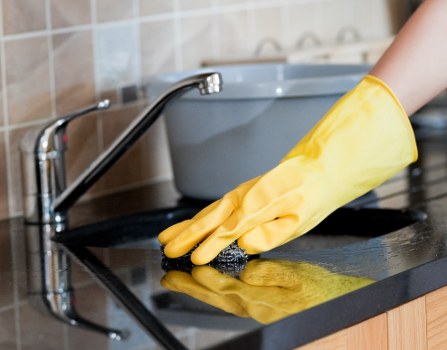
Swiss Cottage has a distinctive mix of residential and commercial activity. Busy roads, nearby transport links, regular foot traffic, and the close proximity of shops, offices, cafés, and residential blocks all contribute to more dirt entering communal spaces than many building owners expect. Entrance mats collect debris, lift lobbies gather fingerprints, and stair rails need regular wiping to remain hygienic and presentable. In buildings where multiple households share the same access route, any delay in cleaning tends to show very quickly.
Regular communal cleaning helps support the building in several practical ways. It reduces build-up in corners and along skirting boards, improves the appearance of shared hallways, and helps keep surfaces safer and more comfortable to use. It also gives residents confidence that their building is being looked after. When a shared space feels clean and cared for, people are more likely to treat it respectfully too. That simple effect can make a real difference over time.
For managing agents, landlords, resident associations, and freeholders, it can also be a practical way to reduce complaints. If residents keep seeing the same dirt in the lobby or stairwell, it often becomes a recurring issue. A structured cleaning plan with clear duties is usually far easier than repeated reactive calls after the space has deteriorated. That is why so many property managers seek dependable communal area cleaning in Swiss Cottage rather than trying to manage the problem ad hoc.
What Our Communal Area Cleaning Service Can Include
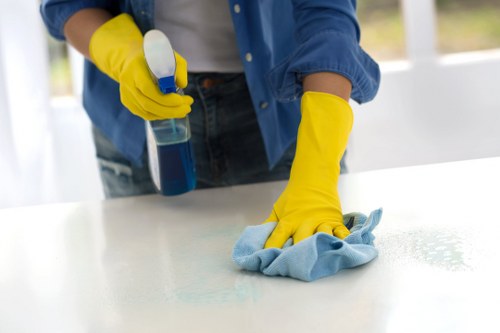
Every building is different, so the scope of the work should match the size, usage, and condition of the property. A proper service is not just about a quick sweep. It should address the shared areas people see and touch every day, and it should do so on a schedule that suits the building’s traffic levels. In a smaller conversion in Swiss Cottage, that may mean focused attention on a stairwell and entrance lobby. In a larger block, it may involve multiple floors, lifts, refuse areas, and external touchpoints.
Typical tasks in communal cleaning may include:
- Vacuuming carpets and runners in shared hallways and landings
- Sweeping and mopping hard floors, including tiled, vinyl, stone, and sealed surfaces
- Dusting skirting boards, ledges, frames, and accessible surfaces
- Wiping down handrails, banisters, switches, door handles, and push plates
- Cleaning entrance doors, internal glass, and visible marks from walls or panels
- Removing light litter and debris from internal common areas
- Refreshing bin store or refuse collection areas where agreed
- Cleaning lift interiors and buttons in buildings that have lift access
- Spot-cleaning marks in high-traffic zones such as reception foyers
Some properties may also benefit from additional tasks on a regular or periodic basis, such as internal window cleaning, cobweb removal, or more detailed attention to communal furnishings and fixtures. The best cleaning plan is one that reflects real use, not a rigid checklist copied from somewhere else. That flexibility matters in Swiss Cottage, where buildings can vary dramatically from one street to the next.
Who Needs Communal Cleaning in Swiss Cottage?
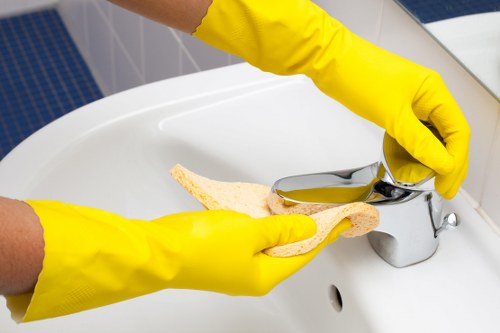
Communal cleaning is useful for a wide range of local customers. If a property has shared access, shared circulation space, or any area used by more than one household or business, regular cleaning is usually worth considering. It is especially valuable where occupants expect a smart, well-kept environment and where a building’s entrance or hallway is part of everyday first impressions.
Common customer groups include:
- Freeholders and landlords with multi-occupancy buildings
- Managing agents overseeing blocks of flats or mixed-use properties
- Resident management companies responsible for shared upkeep
- Housing associations looking after tenant-facing communal areas
- Commercial premises with shared corridors, reception zones, or common facilities
- Block owners with converted houses, mansion blocks, or newer apartment developments
In Swiss Cottage, the property mix is especially important. You may be managing a converted Victorian or Edwardian house with narrow stairs and high-touch bannisters, or a modern apartment block with lifts, secure entry systems, and a basement refuse area. A local team familiar with the area will understand how to work around these different layouts and the access arrangements that often go with them.
That local understanding can save time, reduce disruption, and help ensure the service is delivered in a way that suits residents and building staff.
Why a Local Swiss Cottage Team Is Useful
Choosing a local provider for communal area cleaning in Swiss Cottage brings practical advantages that customers notice quickly. The area has specific access patterns, traffic conditions, and building layouts that are easier to manage when the cleaning team works locally and regularly. Shared properties near Finchley Road, South Hampstead, Belsize Park, St John’s Wood, and Hampstead often sit on busy routes or close to parking restrictions, so a team that knows the area can plan visits more efficiently.
Local cleaners are also more likely to understand the realities of working in lived-in buildings. Residents may be at home, deliveries may be arriving, and entry systems may require careful coordination. In some blocks, cleaners need to move quietly through common areas without disturbing occupants. In others, work may need to happen early, later in the day, or around concierge arrangements. A local service is usually better placed to adapt to these needs without turning every visit into a logistical problem.
Swiss Cottage also includes a variety of property types that require different handling. Period buildings can have delicate finishes and older staircases. Contemporary blocks may have secure doors, glass elements, lift panels, and polished surfaces that need the right products and methods. Good communal cleaning is never one-size-fits-all; it should reflect the building’s materials, layout, and footfall. That is one reason local service matters so much.
Useful for busy streets and tricky access
Parking and access can be one of the more frustrating parts of arranging cleaning in central and inner North West London locations. Streets around Swiss Cottage can be busy, and space for unloading equipment may be limited. A nearby team can plan around these realities more easily, helping to avoid unnecessary delays. This is especially useful when the building sits close to main roads, school routes, transport hubs, or areas where parking is limited and short-stay access needs to be managed carefully.
How the Service Typically Works

Customers often want to know what happens once they enquire about a communal cleaning service. The process should be straightforward and transparent. While every provider works differently, a practical local service usually begins with a discussion about the building, the spaces involved, and how often the cleaning is needed. From there, the provider can suggest a schedule and define the tasks that should be included.
Typical steps may include:
- Initial enquiry and basic property details
- Assessment of the communal areas and cleaning requirements
- Discussion of preferred frequency and access arrangements
- Agreement on the cleaning checklist and scope of work
- Set-up of a recurring schedule or one-off visit
- Regular cleaning carried out at agreed times
- Ongoing review if the property needs change over time
This structured approach is useful because communal areas often change in response to occupancy, weather, and seasonal patterns. For example, winter can bring more mud and moisture into entrances, while spring may highlight dust and cobweb build-up. In buildings with a lot of residents or visitors, it may also make sense to adjust frequency based on actual use rather than leaving the same plan in place indefinitely.
Clear communication is important too. Building managers often want to know exactly what is covered, how issues will be reported, and what happens if an area needs extra attention after a refurbishment, tenancy change, or unusual level of use. A well-run service should make those conversations easy.
What Residents Usually Notice Most

Residents tend to notice the details that affect daily comfort: the smell of a hallway, the condition of the floor near the entrance, whether handrails feel clean, and whether dust or litter has been allowed to accumulate. In communal areas, small things matter because everyone sees them several times a day. If the entry mat is clogged with dirt or the stairwell looks dull and neglected, the whole property can feel less cared for than it really is.
On the other hand, a clean and orderly communal environment creates a sense of calm. People feel more comfortable bringing in guests, receiving deliveries, and moving around the building. It can also reduce the perception of clutter and neglect, especially in shared blocks where many households contribute to the wear and tear. That is why good communal cleaning is often more visible in its absence than in its presence.
In Swiss Cottage, where properties are often tightly spaced and many residents rely on shared internal routes, the difference between an average clean and a reliable routine is easy to spot. Regular attention to the entrance, staircases, and landings can transform the experience of living in a building without requiring major works or expensive changes.
What Makes Communal Area Cleaning Effective?
Consistency, care, and the right priorities
An effective communal cleaning service does not simply make spaces look better for a day. It creates a dependable standard that holds up week after week. That means focusing on the most used areas, using suitable products on different surfaces, and ensuring the work is done in a consistent order. Shared buildings in Swiss Cottage benefit from that consistency because residents quickly notice when standards vary.
Key features of a reliable service include:
- A clear cleaning schedule that fits the building’s needs
- Attention to high-touch points that gather marks quickly
- Careful use of products on flooring, glass, and fixtures
- Respect for residents’ privacy and the building’s routines
- Flexibility when access, waste collection, or weather conditions change
It is often the little things that make the biggest difference: a clean threshold, a spotless bannister, a fresh entrance mat, and a tidy bin store can change how a whole block feels. Good communal cleaning is about those everyday details as much as the larger visible spaces.
Support for both appearance and hygiene
Clean communal areas are not only about appearance. They also help reduce dust accumulation, grime transfer, and the spread of germs on shared touchpoints. In residential buildings, this matters because many people touch the same surfaces every day. In commercial or mixed-use buildings, it matters even more because the movement of staff, visitors, and service providers can make shared spaces busier and dirtier than expected.
A practical service for real buildings
Every building has its own rhythm, and the most effective service is one that respects that rhythm instead of trying to force a standard template onto it. That is especially true in Swiss Cottage, where a block may be quiet during the day but busy in the evenings, or where a mixed-use property may have residential access above commercial units. The service should fit the property, not the other way around.
Preparation Checklist for Building Managers and Residents
Good preparation helps the cleaning visit run smoothly and reduces wasted time. If you are arranging communal area cleaning for a building in Swiss Cottage, it is worth thinking through a few practical points before the first visit. This is not about making the job difficult; it is about helping the team work efficiently and safely in a shared environment.
Useful preparation steps may include:
- Confirming access arrangements for entrances, side doors, or secure lobbies
- Making sure any keypad, fob, or concierge procedure is understood in advance
- Clearing larger obstructions from corridors, stairwells, or landings
- Identifying any delicate surfaces, communal furniture, or restricted areas
- Notifying residents if cleaning will take place at a particular time
- Pointing out any areas that need extra care, such as older flooring or newly painted walls
For recurring cleaning, it is also helpful to review the building occasionally and note where dirt builds up the fastest. Some blocks collect most of their mess in the entrance lobby; others struggle with upper-floor landings, rear access points, or refuse stores. A local cleaning plan can then be adjusted to match real usage instead of relying on assumptions.
Small preparation steps often make a big difference. They help avoid missed areas, reduce disruptions to residents, and ensure the cleaner can focus on the work itself rather than solving access problems on the spot.
Pricing Factors and What Affects the Quote
Customers often want a clear idea of what affects the cost of communal cleaning, even when exact prices are not listed upfront. In practice, the quote will usually depend on the size of the property, the number of floors or shared spaces, how often cleaning is required, and the overall condition of the building. A larger block with lifts, multiple entrances, and bin areas will naturally need more time than a small converted property with one hallway and staircase.
Common pricing factors include:
- Number of communal areas to be cleaned
- Size and layout of the building
- Frequency of service requested
- Condition of the property and level of build-up
- Any additional tasks such as lift cleaning or bin store maintenance
- Access complexity, including entry systems and timing restrictions
Another factor is whether the service is one-off, short-term, or ongoing. A one-off deep clean may involve more intensive work to restore a neglected entrance or stairwell, while a regular weekly or fortnightly arrangement may focus on maintaining a steady standard. If you are unsure what your building needs, it is sensible to ask for a tailored quote based on the site itself rather than trying to guess from a generic package.
Request a free quote if you want a service shaped around your building’s layout and usage. That is usually the best way to get a meaningful proposal for a property in Swiss Cottage.
Areas Covered Around Swiss Cottage
Local service matters because properties rarely exist in isolation. Swiss Cottage sits among several well-used neighbourhoods and residential pockets, and many shared buildings near the area share similar needs. A team working locally can usually cover nearby streets and surrounding districts without difficulty, making it easier to arrange regular visits and respond to changing requirements.
Areas often served around Swiss Cottage include:
- South Hampstead
- Belsize Park
- Hampstead
- St John’s Wood
- Finchley Road corridor locations
- West Hampstead
- Nearby parts of Camden and surrounding North West London neighbourhoods
Because the area includes a mixture of quieter residential streets and busier main-road properties, local awareness can help with scheduling and access. That is especially true for buildings with restricted parking, loading limitations, or timed entry rules. A nearby team is usually better placed to work around those constraints without disrupting residents or wasting valuable time at the start of each visit.
Why Choose a Professional Communal Cleaning Service?
Some shared buildings try to manage communal spaces informally, but that approach often leads to inconsistency. Different residents may tidy to different standards, and nobody is fully responsible for deeper cleaning or regular maintenance. Over time, the space becomes harder to keep under control. A professional service brings structure, accountability, and continuity to the work.
Benefits of using a professional team include:
- Regular, dependable cleaning rather than occasional attention
- Better results on floors, stairwells, glass, and shared touchpoints
- Reduced strain on residents, landlords, or caretakers
- Improved appearance for visitors, tenants, and prospective occupiers
- More efficient handling of access, timing, and building-specific needs
Professional communal cleaning is also useful where the building has a consistent standard to maintain, such as a managed block, private development, or mixed-use property with residents above commercial units. When the service is handled properly, the building feels cared for without becoming a burden on the people who live or work there.
Book your service now if you want your shared spaces in Swiss Cottage to be maintained to a better everyday standard. A well-organised cleaning plan is one of the simplest ways to protect a property’s presentation.
Frequently Asked Questions
How often should communal areas be cleaned?
The right frequency depends on the size of the building, how many people use it, and how quickly dirt builds up. Busy blocks with multiple floors or heavy foot traffic may need more frequent visits than smaller, quieter properties. A local assessment is usually the best way to decide.
Can the service be tailored to our building?
Yes. Shared properties vary a lot in Swiss Cottage, so the service should be adapted to the layout, materials, and access requirements of the building. That may include different priorities for entrance lobbies, lifts, stairs, or bin stores.
Do you clean both residential and mixed-use buildings?
Yes, communal cleaning is suitable for residential blocks, converted houses, apartment buildings, and mixed-use premises. If there are shared access points or common internal spaces, a tailored cleaning plan can usually be arranged.
What if our building has difficult access or limited parking?
That is common in Swiss Cottage and surrounding areas. A local team can plan around entry restrictions, time limits, and parking challenges more effectively than a provider unfamiliar with the area. It helps to mention these details at the enquiry stage.
Can we request extra attention for specific areas?
Absolutely. Some buildings need more focus on stair rails, entrance glass, lift interiors, or refuse areas. If there are persistent problem spots, these can often be built into the cleaning plan.
What should residents do before a cleaning visit?
Residents do not usually need to do much, but it helps to keep personal items out of communal walkways and to ensure access arrangements are clear. If a building has specific rules about timing, the cleaner should be informed in advance.
Ready to Arrange Communal Area Cleaning in Swiss Cottage?
If your shared property is starting to look tired, if residents have raised concerns about cleanliness, or if you simply want a more dependable cleaning routine, now is a good time to act. Communal area Cleaning in Swiss Cottage should be practical, consistent, and shaped around the way your building is actually used.
Whether you manage a small conversion, a larger residential block, or a mixed-use development, the right service can make day-to-day life easier for everyone. Cleaner hallways, clearer entrances, and better-maintained shared spaces all contribute to a building that feels more welcoming and easier to live in.
Contact us today to discuss your building’s needs, request a free quote, or plan a suitable cleaning schedule. If you are ready to improve the standard of your shared areas, book your service now and take the next step toward a cleaner, more cared-for property.